
If your temperature gauge starts rising during hot days, you may wonder why your car engine overheats in hot weather. This issue is especially common in warm climates like Florida, where high temperatures place additional stress on your vehicle’s cooling system.
Your engine produces a large amount of heat while running. The cooling system is designed to regulate this heat by circulating coolant through the engine and releasing it through the radiator. When outside temperatures increase, the system must work harder. If any component is worn, leaking, or blocked, the engine may begin to overheat.
Understanding the causes of overheating can help drivers prevent serious engine damage and maintain reliable performance.
How Your Engine Cooling System Works
The cooling system maintains your engine’s temperature by circulating coolant through key components. The coolant absorbs heat from the engine and releases it through the radiator.
Main components include:
• Radiator
• Water pump
• Thermostat
• Cooling fans
• Coolant hoses
When all parts function properly, the engine stays within a safe operating temperature. However, extreme heat can expose weak components.
Common Reasons Your Car Engine Overheats in Hot Weather
Low Coolant Levels
One of the most common causes of overheating is low coolant levels. Coolant absorbs heat from the engine and helps regulate temperature.
If coolant levels drop due to leaks or evaporation, the engine may not be able to cool properly. This often results in rising engine temperature, especially during hot weather.
Drivers may also experience issues like loss of power when accelerating, which can be linked to overheating and engine stress.
Faulty Thermostat
The thermostat controls when coolant flows between the engine and radiator. If it becomes stuck closed, coolant cannot circulate.
This causes heat to build up quickly inside the engine, leading to overheating while driving.
Water Pump Failure
The water pump circulates coolant throughout the engine. If the pump fails, coolant stops moving efficiently.
Without proper circulation, heat builds up rapidly and the engine temperature rises.
A failing water pump may also cause coolant leaks or unusual noises.
Radiator Blockage
The radiator releases heat from the coolant. Over time, dirt, debris, or internal buildup can block the radiator.
When airflow is restricted, the radiator cannot release heat effectively, causing the engine to overheat.
Cleaning or replacing the radiator may be necessary.
Cooling Fan Problems
Cooling fans help regulate temperature when the vehicle is moving slowly or idling. If the fan fails, airflow through the radiator becomes limited.
This can cause overheating in traffic or during stop-and-go driving.
Serpentine Belt Issues
The serpentine belt powers essential components such as the water pump and cooling fan. If the belt becomes worn or breaks, these components may stop working.
Understanding what happens if your serpentine belt breaks can help drivers recognize how critical this component is to engine cooling.
Warning Signs Your Engine Is Overheating
Drivers may notice several warning signs before serious overheating occurs:
• Temperature gauge rising above normal
• Steam coming from under the hood
• Coolant warning light appearing
• Sweet smell from coolant leaks
• Reduced engine performance
These symptoms indicate that the cooling system needs immediate attention.
Why Overheating Should Be Fixed Immediately
Engine overheating can lead to severe damage if ignored. Excess heat can warp engine components, damage gaskets, and lead to costly repairs.
Addressing overheating early helps prevent breakdowns and ensures safe driving conditions.
For drivers in Port St. Lucie, where temperatures can remain high for long periods, maintaining a properly functioning cooling system is essential.
How Mobile Mechanics Diagnose Overheating Issues
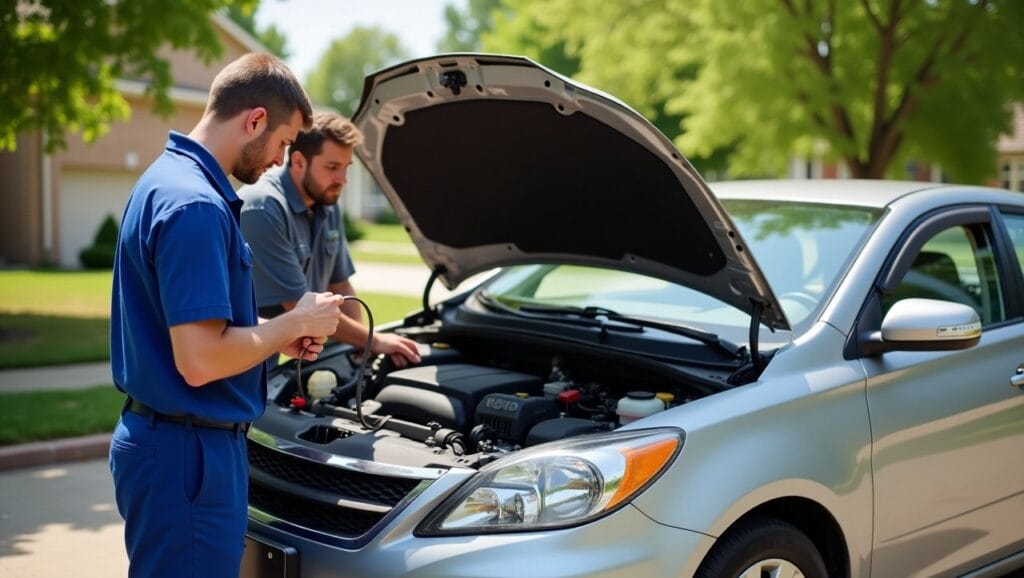
Mobile mechanics can inspect your vehicle’s cooling system at your location, making it easier to diagnose overheating problems.
During inspection, technicians may:
• Check coolant levels and leaks
• Test thermostat operation
• Inspect radiator condition
• Evaluate cooling fan performance
• Check belt and water pump function
These steps help identify the root cause of overheating.
Benefits of Mobile Mechanic Services in Port St. Lucie
Mobile mechanic services allow drivers to receive diagnostics without visiting a repair shop.
For drivers in Port St. Lucie, on-site service provides a convenient way to diagnose and repair overheating issues quickly.
This approach helps maintain your vehicle without disrupting your schedule.
If your car engine overheats in hot weather, the cause may involve low coolant levels, thermostat failure, water pump issues, radiator blockage, cooling fan problems, or serpentine belt failure. Because the cooling system plays a vital role in protecting the engine, early diagnosis is essential.
Professional inspection can help identify the issue and restore proper engine performance.
FAQs
Why does my car overheat more in hot weather?
Hot weather increases the workload on your cooling system. If any component is weak or failing, the system may not keep up with the extra heat.
Can low coolant cause overheating while driving?
Yes, low coolant reduces the system’s ability to absorb and release heat, which can lead to overheating.
Is it safe to drive an overheating car?
How do I prevent my engine from overheating?
Need Cooling System Diagnostics in Port St. Lucie?
If your vehicle overheats during hot weather, professional inspection can help identify the problem quickly.
Mobile Mechanic in Port St. Lucie, FL provides convenient on-site diagnostics and repair services to restore safe engine performance.
Schedule service today to keep your engine running at the proper temperature.